
Bio
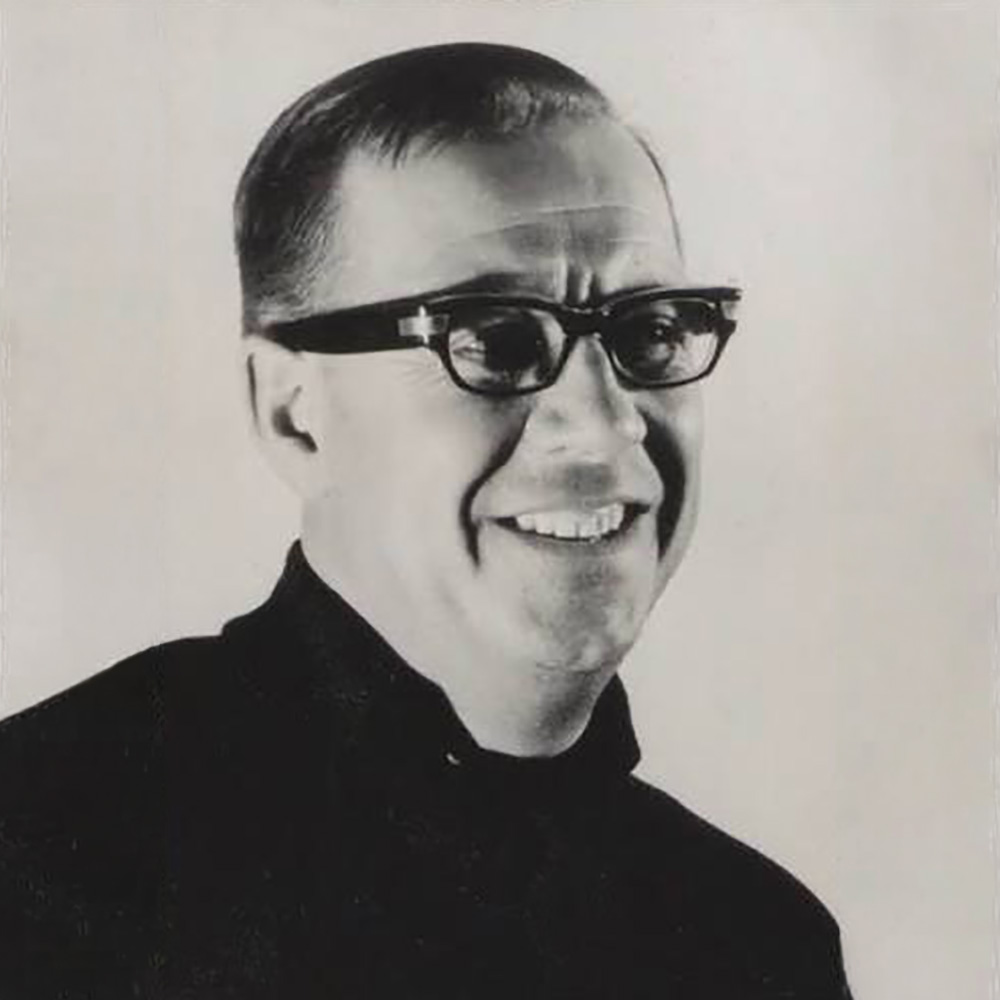
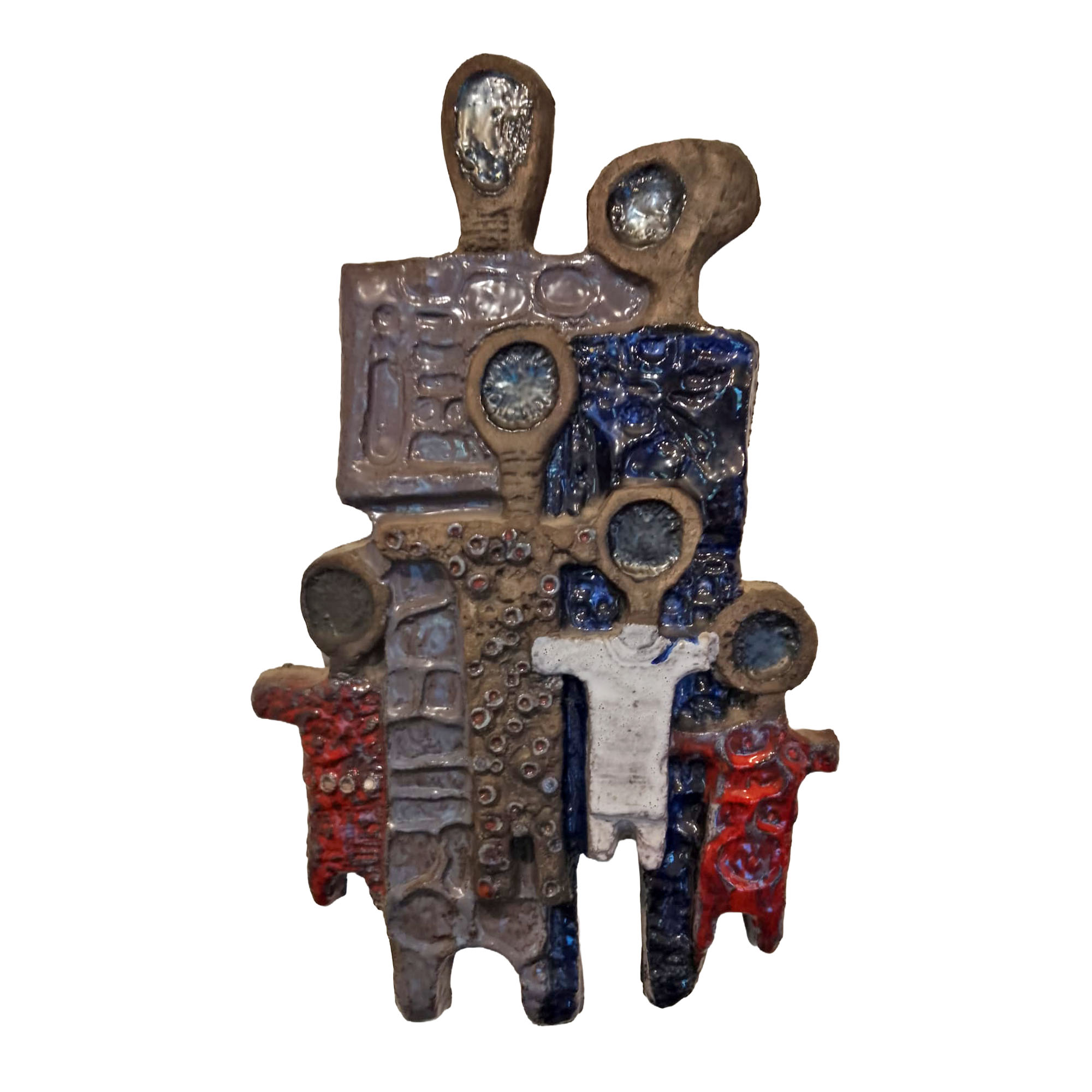
Rogier Vandeweghe (21 May 1923, Ruiselede – 4 May 1963). He received his training at the Sint-Lucas Higher Institute in Ghent from 1940 to 1945 and completed a short internship with Joost Maréchal (1947). He began producing ceramics with his brother Laurent, which led to the establishment of the Perignem studio. Alongside a more commercial production, an artistic one emerged. In 1955, Rogier left Perignem and founded the Amphora studio in Sint-Andries, Bruges, in 1956. Increasingly leaving commercial production to collaborators, Rogier produced sculptural ceramics and wheel-thrown work at Amphora, characterized by beautiful forms and richly varied colors: vases, bowls, pots, plates, jugs, and elongated flute-shaped bottles, sometimes almost man-sized. In 1964, he became the first foreigner to be awarded the Premio Faenza, the highest distinction presented during the annual competition in the Italian city. Works are held in the Royal Museums of Art and History in Brussels, the Municipal Museum in Ostend, the Sterckshof Museum in Deurne, and museums in Munich, Faenza, Cologne, Leipzig, and Stuttgart.